Ecological Arboriculture Services
Trees can provide important habitat long after their value as conventional landscape trees begins to decline.
Habitat Arboriculture provides specialist ecological arboriculture services across Hobart and Tasmania, combining practical arboriculture with a strong focus on retaining and creating habitat wherever it can be safely and appropriately incorporated into tree management.
Our work includes habitat creation, veteran tree management, habitat-conscious pruning and removal, and the retention or modification of suitable dead and declining trees.
Our Services

Habitat-Focused Tree Management
Conventional tree work often focuses primarily on tree condition, clearance and risk.
Ecological arboriculture adds another consideration: what habitat value does the tree currently provide, and what can potentially be retained?
Features such as hollows, cavities, deadwood, cracks, loose bark and decayed wood can provide important shelter and foraging habitat.
Where site objectives and acceptable risk allow, tree work can sometimes retain these features rather than automatically removing them.

Artificial Wildlife Hollows
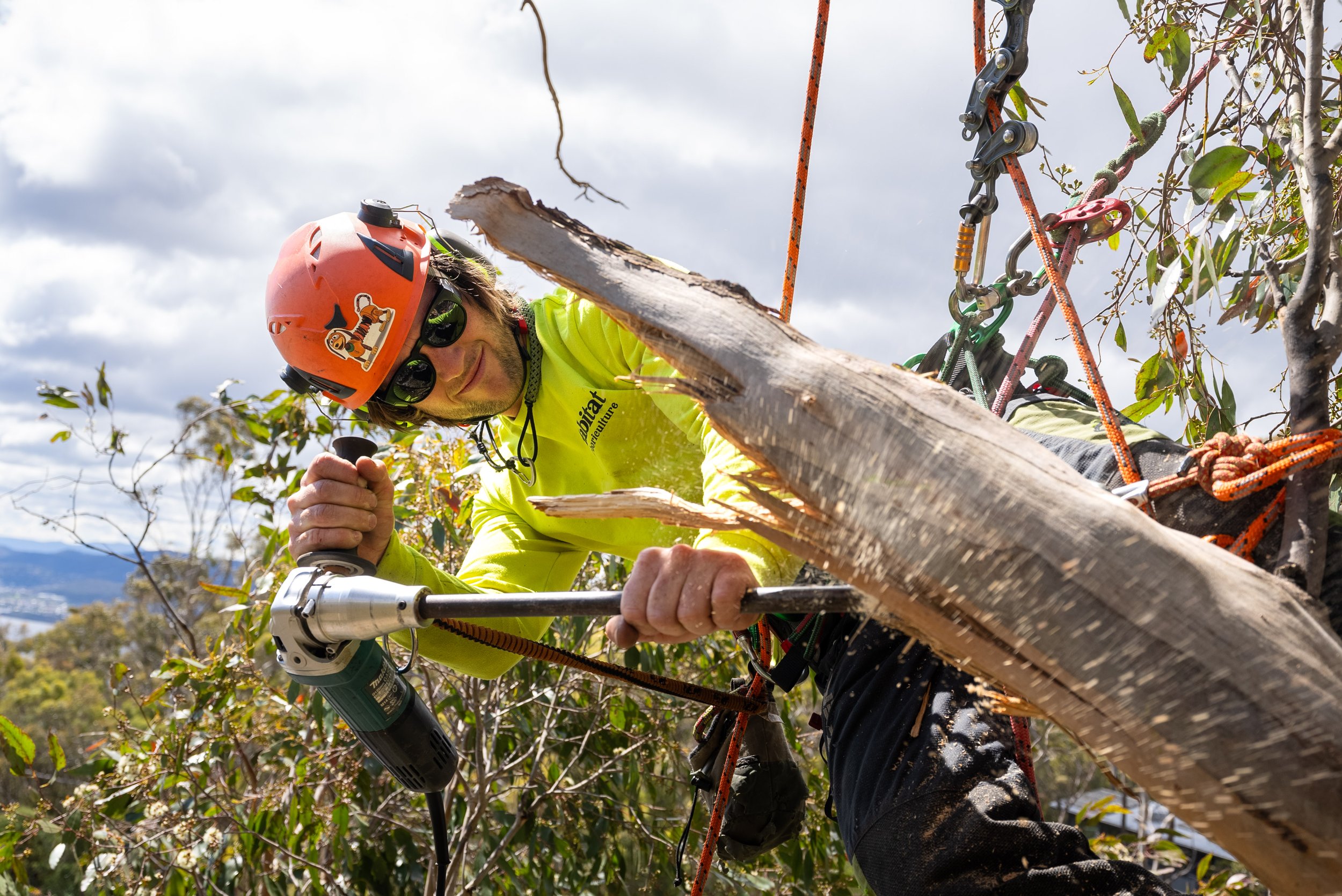
Where natural hollows are absent or limited, Habitat Arboriculture can create artificial hollows within suitable living or dead trees.
Our primary hollow-creation tool is the Hollow Hog, which allows internal cavities to be created through relatively small entrance openings.
Hollows can be varied in dimensions, entrance size, orientation and internal characteristics according to the tree, target wildlife and objectives of the project.
Other tools and techniques, including systems such as the Arbor Grub, may also be considered depending on the application.

Veteran and Mature Tree Management
Large old trees often contain features that are uncommon in younger trees.
Rather than viewing decline, deadwood or cavities solely as defects, veteran-tree management considers how important structures can be retained while managing unacceptable risk.
This may involve selective pruning, reducing particular limbs, retaining stable deadwood, managing competing vegetation or modifying sections of a tree instead of undertaking complete removal.
Every tree and site requires an individual approach.
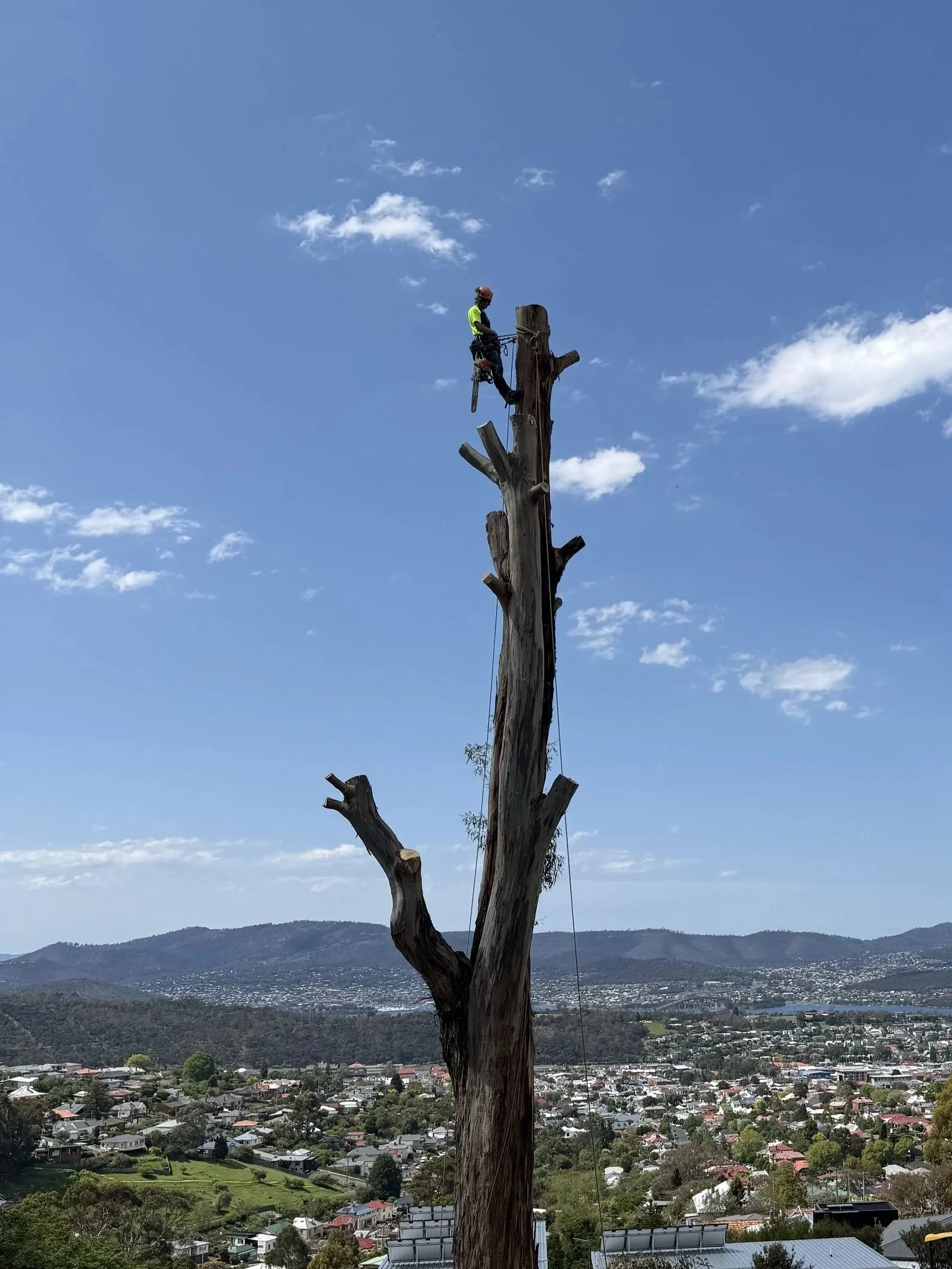
Habitat Retention During Tree Removal
Where complete tree removal is necessary, opportunities may still exist to retain habitat.
Depending on the tree and site, this could include:
Retaining a standing habitat trunk
Creating artificial hollows
Retaining safe sections of deadwood
Installing habitat features
Reusing removed timber on site
Retaining logs as ground habitat
This approach can allow some ecological value to remain even where the original tree cannot be retained in its existing form.
Working With Ecologists and Land Managers
Habitat Arboriculture can work alongside ecologists, environmental consultants, councils, land managers and project teams to implement tree-related habitat objectives.
Where formal ecological assessment, fauna surveys or specialist environmental approvals are required, these should be undertaken by appropriately qualified ecological professionals.
Our role is primarily the arboricultural implementation of tree and habitat work, including climbing, pruning, tree modification and habitat creation.
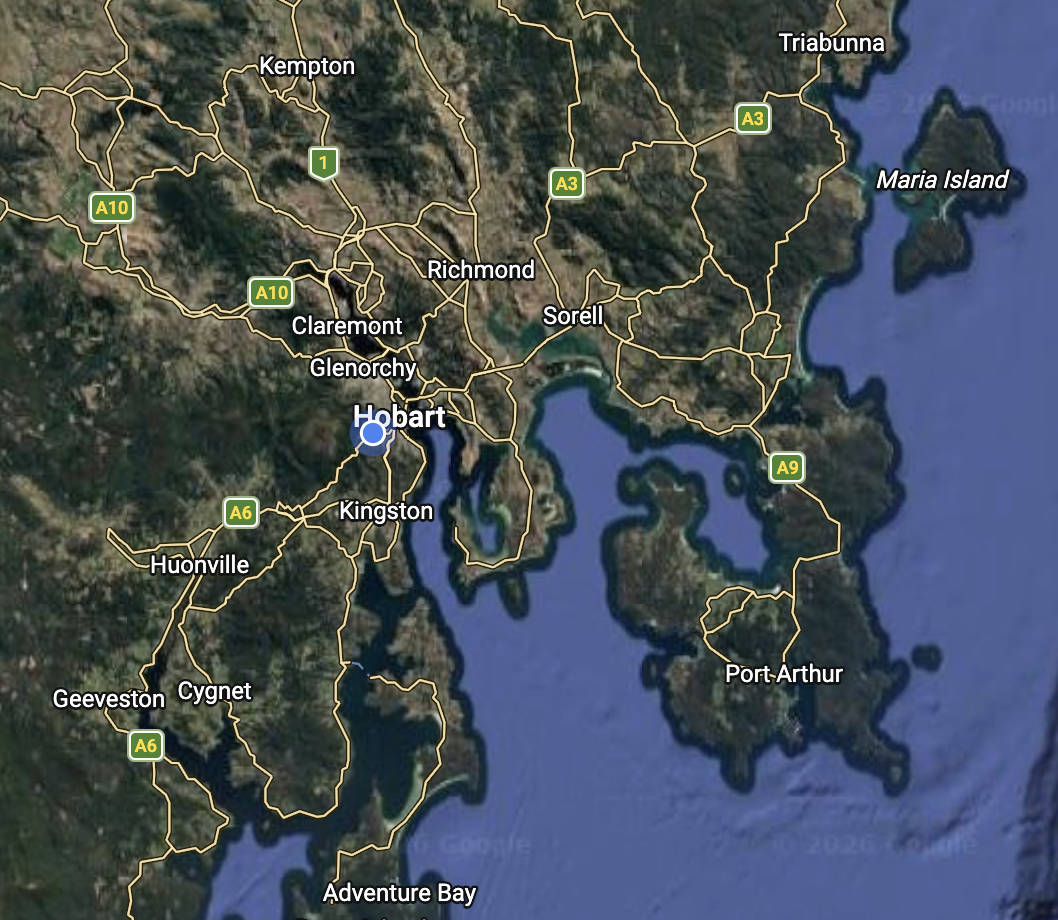
Ecological Arboriculture Across Tasmania
We undertake ecological and habitat-focused arboriculture across Greater Hobart and can travel throughout Tasmania for specialist habitat creation and environmental projects.